AI Slop Gave Authenticity a Free Pass
I’m certainly not giving up AI. I use it constantly.
But we’ve reached a point where making something look highly produced is incredibly easy. That means polish by itself isn’t much of a differentiator anymore.
Actual experience is.
A contractor standing in a house he’s renovating has something AI can’t reproduce.
An attorney answering a question based on years of practice has something AI can’t reproduce.
A business owner telling a story that happened 20 years ago has something AI can’t reproduce.
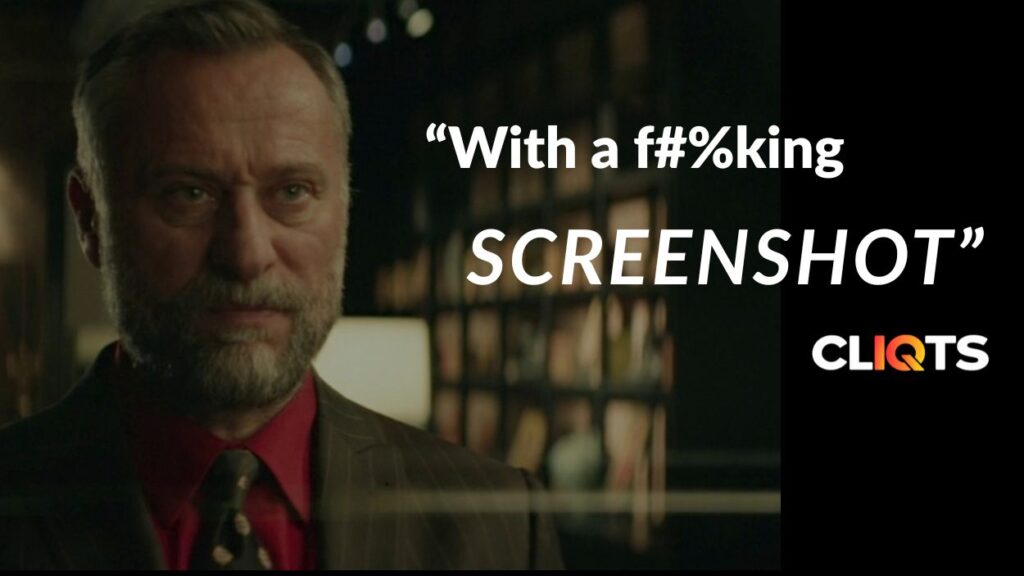
Even a slightly imperfect Riverside or video-conference screenshot has something going for it:
Evidence that the thing happened.
That’s almost liberating from a production standpoint.
It doesn’t mean bad thumbnails are suddenly good thumbnails. I still want a good frame, a sensible crop, strong typography and branding that works at mobile size.
But I no longer need to transform every piece of original media into something that looks like a movie poster.
AI slop has effectively given genuine content a free pass to look genuine.
What This Has to Do With EEAT
This is where the conversation becomes much more interesting than thumbnail design.
EEAT stands for Experience, Expertise, Authoritativeness and Trustworthiness.
It’s frequently treated as an SEO writing checklist: add an author bio, cite some sources, answer related questions and make sure the article looks comprehensive.
Those things can be useful.
But I’m much more interested in the underlying question:
What evidence are you creating that demonstrates there is actual knowledge and experience behind your business?
A real podcast conversation can contain a tremendous amount of that evidence.
Someone describes what they’ve encountered in their work. They explain how they approach a problem. They answer an unexpected question. They tell a story. They disagree with a common assumption. They provide context that comes from actually knowing the subject.
Video makes that person visible.
Audio preserves their voice.
A transcript makes the conversation available as text.
An article can develop one idea from the conversation in greater depth.
Short clips can isolate individual insights.
Social posts can distribute them.
That’s not manufacturing the appearance of authority.
It’s capturing authority that already exists.
Put AI Behind the Expertise
This is where I think AI becomes incredibly useful rather than incredibly generic.
Record the real conversation first.
Now AI can help identify topics buried inside an hour-long interview. It can help organize a transcript, develop an article around a specific discussion, identify potential clips, prepare descriptions and turn one original conversation into useful material across a website, YouTube, LinkedIn and social.
That’s leverage.
The source material is still Melissa.
Or the contractor.
Or the chiropractor.
Or the restaurant owner.
Or whoever actually knows the subject.
My preferred model is increasingly simple:
Human expertise in front. AI horsepower behind it.
AI helps distribute the expertise instead of pretending to possess it.
This Is Bigger Than Thumbnails
This is also representative of how I’m approaching consulting through CLIQTS.
I don’t want to decide that a business needs 12 articles, 30 social posts, a podcast or a bunch of Google Maps work before looking at its competitive landscape.
First, find the opportunity.
Maybe competitors have poor Maps visibility.
Maybe nobody in the market is publishing useful first-hand information.
Maybe the business looks dormant because its social presence hasn’t been updated consistently.
Maybe you’ve got 30 years of expertise sitting inside the company that Google, YouTube, prospective customers and AI systems currently have almost no way to discover.
Then we decide what to build.
That’s the idea behind Competitive Landscape Intel.
The solution might involve Maps and Phone Rank, EEAT and authority content, social recency and frequency, podcast/video or participation in a larger industry or local media project.
The channel isn’t the strategy.
The opportunity determines the mix.
And increasingly, I’m interested in helping businesses capture the things competitors can’t generate with a prompt: real experience, original conversations, unique knowledge, actual projects, relationships and expertise.
AI didn’t make those things obsolete.
It may have made them more valuable.
Frequently Asked Questions
Are AI-generated thumbnails bad for EEAT?
Not inherently. The more useful question is whether your content and presentation reinforce the genuine experience and expertise behind the business. When a real expert, project, location or conversation is available, authentic imagery can provide context that generic generated artwork cannot.
Should businesses stop using AI-generated images?
No. I still use AI-generated imagery when it makes sense. I’m simply becoming more selective about where it adds something. If genuine photography, video or project imagery already exists, I’m increasingly starting there.
Can a podcast screenshot really make a professional thumbnail?
Absolutely. It still needs basic production judgment: choose a strong frame, crop it properly, use readable typography and maintain recognizable branding. “Authentic” doesn’t have to mean careless.
How can podcasting and video support EEAT?
Original conversations allow professionals to demonstrate experience and expertise in their own words. The recording can also become video, audio, transcripts, articles and social content, creating multiple ways for people and discovery systems to encounter that expertise.
Should AI still be part of a content strategy?
For me, absolutely. The distinction is where AI sits in the process. I increasingly prefer capturing original human expertise first and then using AI to organize, develop, repurpose and distribute that material.
What is Competitive Landscape Intel?
Competitive Landscape Intel is the starting point for the CLIQTS approach: understand where a business stands, who occupies the space around it and where meaningful visibility or authority opportunities exist before prescribing the marketing tactic.
The result may point toward Google Maps, authority content, social media, podcast/video or something else entirely.
About the Author
Tom Ritter is a podcast producer, digital marketing consultant and founder of CLIQTS. His work combines Competitive Landscape Intel, Google Maps visibility, EEAT and authority content, social media, podcast/video production and collaborative media projects. He produces original professional and community media designed to turn real-world expertise into discoverable digital authority.